
 By
By 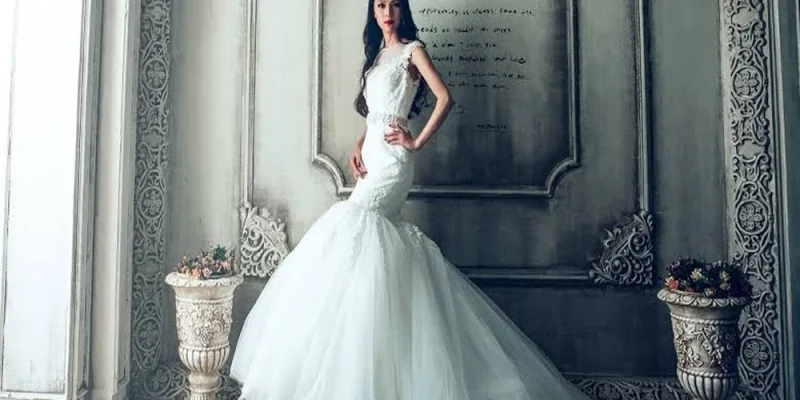
When brides begin searching for the perfect wedding dress, they usually focus on silhouettes, necklines, or the latest bridal trends. Pinterest boards are filled with romantic lace gowns, sleek satin dresses, and dramatic ball gowns, but one of the most important details often receives far less attention than it deserves-the fabric itself.
Fabric does much more than determine how a dress looks. It influences how the gown moves, photographs, feels against the skin, and performs throughout an entire wedding day. Two dresses with the same silhouette can create completely different impressions simply because they are made from different materials. Understanding the characteristics of bridal fabrics makes shopping easier and helps brides choose a gown that is not only beautiful but also practical.
Fabric Creates the Personality of a Dress
The silhouette provides the shape, but fabric gives the dress its personality. Satin feels polished and luxurious. Lace creates romance. Crepe delivers clean modern elegance, while layers of tulle bring softness and volume.
This is why bridal consultants often encourage brides to keep an open mind. A silhouette that looks ordinary in one fabric may become extraordinary in another. The interaction between cut and material is what creates truly memorable bridal fashion.
Brides comparing different materials often find it helpful to explore a detailed guide to wedding dress fabrics before visiting bridal boutiques. Understanding the strengths of each fabric makes appointments far more productive.
Satin: Timeless Luxury
Satin has remained one of the most popular bridal fabrics for generations. Its smooth surface reflects light beautifully, creating an elegant appearance that feels sophisticated without excessive embellishment. Satin works exceptionally well for structured silhouettes such as A-line dresses, ball gowns, and minimalist bridal designs.
Because satin naturally holds its shape, it creates clean lines that photograph beautifully. It is a favourite for formal ceremonies, luxury venues, and brides who appreciate understated elegance.
Lace: Romance That Never Goes Out of Style
If satin represents refinement, lace represents romance. From delicate floral motifs to dramatic embroidered appliqués, lace adds texture, depth, and timeless beauty to almost any silhouette.
Modern bridal designers use lace in countless ways. Some gowns feature lace from neckline to hem, while others combine lace bodices with flowing chiffon or satin skirts. This versatility allows lace to suit both classic weddings and contemporary celebrations.
Many brides spend time comparing satin vs. lace wedding dresses before making a final decision, especially when choosing between a minimalist or romantic bridal style.
Crepe: Modern Simplicity
Crepe has become increasingly popular among brides who love clean lines and effortless sophistication. Unlike heavily textured fabrics, crepe drapes naturally along the body, making it ideal for sheath dresses, fit-and-flare silhouettes, and contemporary bridal fashion.
Its understated appearance allows tailoring to become the star of the design. Rather than relying on heavy embellishment, crepe dresses celebrate precise construction and elegant proportions.
Tulle and Organza for Soft Volume
Brides dreaming of movement and lightness often fall in love with tulle and organza. These airy fabrics create volume without excessive weight, making them perfect for romantic A-line gowns, princess-inspired skirts, and layered bridal designs.
Tulle catches natural light beautifully during outdoor ceremonies, while organza offers slightly more structure without losing its graceful appearance.
Choosing Fabric for Your Wedding Venue
The venue should always influence fabric selection. Beach weddings usually call for lightweight chiffon or soft crepe that moves comfortably in warm weather. Grand ballrooms can easily support luxurious satin or structured mikado gowns. Garden ceremonies often pair beautifully with lace, tulle, or embroidered organza that complements the surrounding landscape.
Thinking about the venue early helps brides avoid choosing a fabric that feels uncomfortable or out of place on the wedding day.
Final Thoughts
The perfect wedding dress is never defined by silhouette alone. Fabric shapes the way a gown feels, moves, photographs, and reflects the bride’s personality. Whether you are drawn to luxurious satin, romantic lace, sleek crepe, or airy tulle, understanding bridal fabrics will make every fitting more meaningful and every decision more confident.
When silhouette, fabric, and personal style come together, the result is more than a beautiful wedding dress-it becomes a gown that feels completely and uniquely yours.




Comments